

Because HCG is a pharmaceutical grade item, it probably comes as no surprise that some adverse elements may come to fruition, and that’s fairly normal when we’re utilising items with complex structures / mechanisms of action like this one.
Realistically, your genetics are largely going to dictate whether or not anything bad occurs in conjunction with how sensibly you choose to implement this item on the whole.
We’ll now observe these potential negative elements to give you the best overview possible of what to expect with this item.
The Danger Of Extended Dosing With HCG
 What many people seem to neglect is that items like this are not in any way supposed to be used for extended periods of time – they are designed to provide a short term solution for a need the user has (in this case the amplification of innate testosterone production) but are not supposed to be leaned on heavily in the long term.
In the same way that the body becomes dependant on anabolic steroids for its primary source of testosterone leading to a need for a well structured PCT phase to “re-train” it, the body too can become dependant on HCG to produce testosterone if we take it over an extended period of time.
Should this be the case, it will be incapable of synthesising this crucial sex hormone without the presence of HCG in the future – this is why it’s important to only ever use this item according to the necessary cycle length and dosage guidelines.
Never surpass them if you want to avoid your body becoming dependant on this product – it will save you a great deal of stress and possible damage.
Increased Estrogen Levels With HCG Use
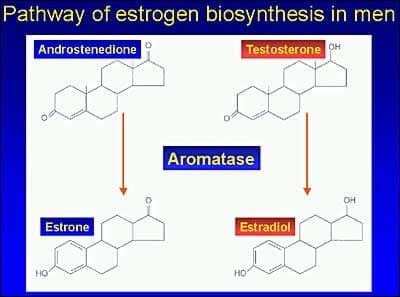 Shockingly, some male users have experienced gynecomastia whilst utilising HCG. Precisely how and why isn’t particularly difficult to answer luckily, and understanding why is going to help you supplement effectively whilst using HCG.
In short, the reason why HCG can lead to elevated estrogen levels is because it elevates your testosterone levels – “unbound” testosterone can actually be converted into estrogen by the aromatase enzyme.
As HCG elevates testosterone levels, this actually means the aromatase enzyme has more “material” to work with. As such, your risk of encountering elevated estrogen levels is elevated.
The integration of an AI or SERM will help you to avoid any potent side effects.
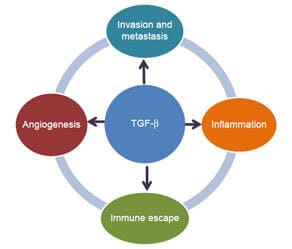
The Risks Of TGF Beta Receptor Stimulation
TGF receptors are responsible for activating and assisting in the multiplication of various cells within the body. When we take HCG, we stimulate these receptors and “excite” them in such a fashion that they exceed their “normal” work rate.
Being that cancer has been linked to the generation / multiplication of cells within the body, it only makes sense that the development of cancer cells is a risk when this receptor is stimulated.
This is another reason why HCG use should be kept on a short term basis only at all times.
Who Shouldn’t Take HCG?
 You should always consult with your GP prior to using any pharmaceutical grade compound to ensure you are genetically compatible with it.
The following people should NEVER use HCG under any circumstances:
- Those with pituitary tumours
- Those with blood clots
- Those with ovarian enlargement
- Those with an intracranial lesion
- Those who are pregnant
- Those who reached puberty at an earlier age than expected
- Those with testicular cancer
- Those with prostate cancer
HCG And Gyno
As previously mentioned, the elevation in testosterone levels present with HCG means that conversion risk (from testosterone into estrogen) is higher – this means that you’ll need to (ideally) keep some letrozole on hand to counteract any gyno symptoms should they arise.
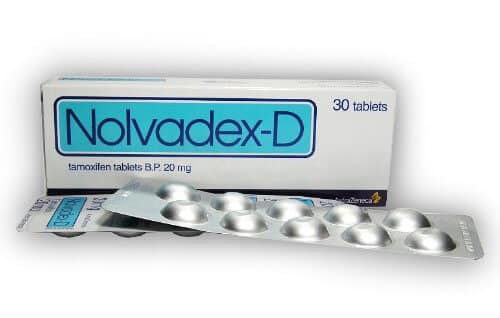
At the very least, you need to keep an aromatase inhibitor and / or SERM like nolvadex with you throughout your HCG use “just incase”. If letrozole has no effect, you may need surgery.
Consult with your doctor the moment symptoms begin to manifest to stand the best chance of guaranteeing safety.
When To Use An Aromatase Inhibitor?
You’re only going to know when to use an aromatase inhibitor via two means whilst on cycle with HCG:
- By getting regular blood tests performed over the course of your cycle
- When the symptoms of gynecomastia physically begin to manifest
The best way to find out whether or not you need protection against estrogenic issues is to gauge your estrogen levels via blood tests with a GP as opposed to having to wait for physical symptoms to arise.
Should your estrogen levels elevate too drastically whilst using HCG, it’s time to incorporate an AI to avoid any adverse issues coming to fruition.